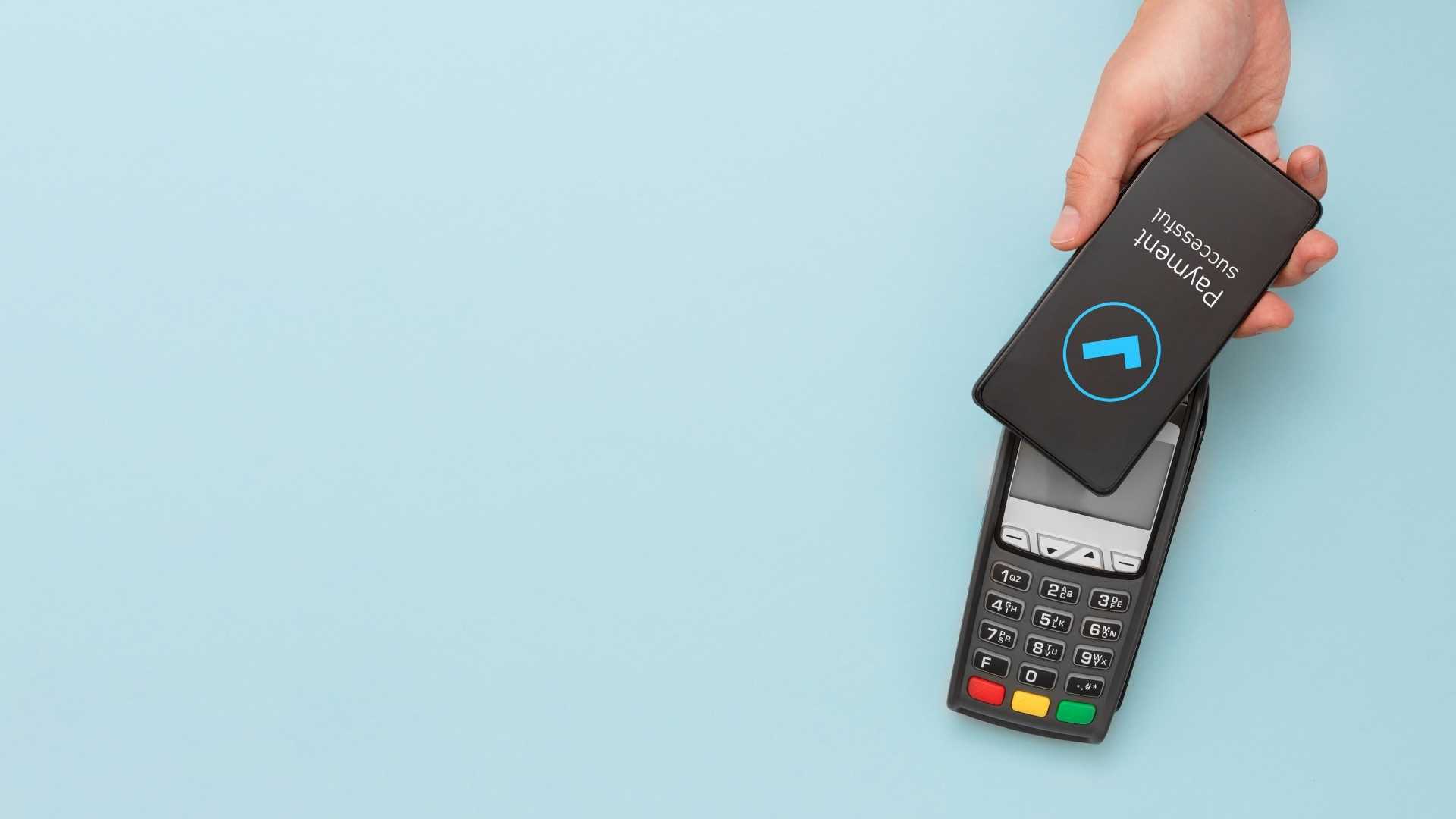
Imagine a customer walks up to your counter, skips the wallet shuffle, and simply taps their phone or watch to pay. That’s the convenience and speed today’s shoppers expect. As consumer habits evolve and technology becomes more embedded in everyday life, NFC mobile and contactless payments are becoming the norm.
According to the 2024 NFC Forum Contactless Usage and Adoption Study, over 80% of global respondents (and nearly 90% in the US) have used a smartphone or smartwatch to pay for their purchases, and 95% have even left their physical wallet at home on at least one occasion, opting to just rely on mobile payments.
All this to say that contactless is quickly becoming the default. If your business doesn’t support NFC contactless payments (including NFC mobile payments), you’re missing out on a lot of potential customers.
What are NFC contactless payments?
NFC contactless payments refer to any transaction where payment is made by simply tapping a card or smart device on an NFC-enabled terminal. Whether it’s a credit card with a contactless chip or a mobile device with a wallet app, the goal is the same: faster, more secure checkouts, and seamless customer authentication.
What are NFC mobile payments?
NFC mobile payments enable customers to pay using their smartphones, smartwatches, or other mobile devices equipped with digital wallets, such as Apple Pay, Google Pay/Google Wallet.
A subset of NFC contactless payments, mobile payments use near-field communication technology to securely transmit payment information from the device to a reader, no physical card swipe required.
NFC mobile payments vs NFC contactless payments
The terms are often used interchangeably, but the distinction is critical for security and processing costs. NFC contactless is the broad term for tapping a physical card or a device. NFC mobile payments (like Apple Pay) use tokenization via the device’s secure element, which offers superior security to a standard contactless card tap.
So, when a customer pays using Apple Pay or Google Pay, they’re using an NFC mobile payment method. But when they tap their credit card, it’s still contactless—it’s just not mobile-based.
For your business, the distinction matters less than making sure you’re equipped to accept both. Today’s shoppers expect seamless, secure tap-to-pay experiences, whether that tap comes from their phone or their physical card.
How to set up NFC contactless payments
If you’re ready to accept tap-to-pay transactions, here’s a simple step-by-step guide to get your business set up with NFC contactless payments.
Step 1: Make sure you have an NFC-enabled terminal
First things first: Your payment terminal needs to support NFC. Look for devices that display the contactless symbol (four curved lines). Most modern POS systems already include NFC capabilities, but it’s worth checking with your provider.
Step 2: Choose a compatible payment processor
Next, you’ll need a payment processor that supports contactless payments. Providers like Stax—which offers the industry’s most cost-effective flat-rate subscription model—provide the full suite of NFC contactless and mobile payment acceptance. Choose a processor that aligns with your transaction volume, fees, and preferred payout schedule.
Step 3: Enable digital wallet payments
Once your terminal is in place and connected to a processor, activate support for digital wallets like Apple Pay, Google Pay/Google Wallet. This is typically handled through your POS or payment processor dashboard and only takes a few clicks, if any. More often than not, you should be able to accept these payment types straightaway, as long as your POS and payment terminal are set up correctly.
Step 4: Train your team
Ensure your staff is trained on how to process contactless transactions, and assist customers who are new to tapping to pay. It’s usually as simple as prompting them to “tap your card or phone,” but confidence counts during the checkout experience.
Step 5: Promote contactless as a payment option
Let customers know you accept tap-to-pay. Use signage, mention it at checkout, and highlight it on your website. Shoppers increasingly seek out businesses that offer quick, touch-free payments—so make sure they know you’ve got it covered.
Advantages of NFC contactless payments
NFC payments (contactless and/or mobile) are shaping how customers interact with businesses and raising the bar for seamless checkout experiences. Here are some of the biggest advantages of adopting NFC contactless payments.
Faster checkout, happier customers
Contactless payments significantly reduce transaction times. Instead of fumbling with cash or inserting a chip card, customers simply tap and go. That means shorter lines, quicker service, and less friction, especially during peak hours.
More hygienic and touch-free
In a post-pandemic world, hygiene matters more than ever. Contactless payments minimize physical contact between customers and staff. No passing of cards, no touching buttons—just a quick tap and done.
Enhanced security features
NFC payments use encryption and tokenization to protect customer data. Mobile wallets never transmit the actual card number; instead, they use tokenization—a security process that replaces the card number with a device-specific payment token for that transaction. That makes it much harder for fraudsters to steal sensitive info.
Supports modern consumer preferences
A growing number of shoppers (especially younger demographics) prefer using mobile wallets over traditional methods. Offering contactless payment options ensures you’re meeting customers where they are and keeping up with changing expectations.
Lower operational friction
Contactless transactions can simplify cash handling, reduce the need for physical receipts, and make end-of-day reconciliation easier. They also tend to result in fewer chargebacks and declined transactions compared to manual entry or swipe methods.
Disadvantages of NFC contactless payments
As with any technology, contactless payments aren’t without limitations. Here are a few potential drawbacks to consider.
Upfront hardware and integration costs
If you’re using a traditional cash register or old school terminals, upgrading your POS system to accept contactless payments may require a new reader or an all-in-one POS platform. If you are using a very old terminal, upgrading hardware will be necessary. However, the cost of modern, NFC-enabled terminals is now minimal, often just a few hundred dollars or less for a mobile solution, making the investment negligible compared to the benefits.
Device and card compatibility
Although adoption is growing, not all customers have contactless cards or mobile wallets set up. Older phones, outdated credit cards, or limited banking access can exclude some shoppers from using tap-to-pay, which means you still need to support alternative methods.
Privacy and theft concerns
While some shoppers worry about accidental charges, modern NFC requires the device to be activated, authenticated (via Face ID/fingerprint), and held within 1-2 inches of the terminal to complete a charge, making accidental payments extremely unlikely. In fact, mobile wallets are statistically the most secure payment method available. Others may be hesitant to load their financial data onto a smartphone, fearing loss or theft of the device.
Reliance on the internet or power
Many contactless systems rely on a stable internet or power to function. If your system goes offline, you might be forced to revert to manual entry or turn customers away, leading to lost sales and customer frustration.
Final words
NFC contactless payments aren’t just a nice-to-have; they’re becoming a customer expectation. Partnering with a platform like Stax ensures you meet this expectation efficiently, securely, and cost-effectively, regardless of the tap method your customer chooses.
Whether you run a retail shop, a cafe, or a service-based business, enabling tap-to-pay can boost efficiency, improve the customer experience, and future-proof your checkout. With the right tools and setup, getting started is easier than you might think.
Stax enables you to accept multiple payment types, including NFC contactless payments. Get in touch with us to learn more about how we can support your payment needs.
FAQs about NFC contactless payments
Q: What is NFC contactless payment?
NFC contactless payments are digital transactions that use near-field communication technology to facilitate payments through mobile devices like smartphones and tablets. Examples of NFC payments include Apple Pay and Google Pay/Google Wallet.
Q: Who uses NFC contactless payments?
NFC contactless payments are popular among a broad demographic, with over 640 million users projected globally in 2025, according to industry estimates, cementing its position as a dominant digital wallet.
Q: How does NFC contactless payment work?
To make an NFC payment, customers must open their mobile wallet or app and tap their phone to a terminal. The NFC-enabled terminal communicates with the phone, encrypting the transaction information for secure processing.
Q: Why are NFC contactless payments important for businesses?
Accepting NFC payments allows businesses to cater to a sizable customer base that prefers this form of payment. Businesses that don’t accept this type of payment risk losing out on potential customers.
Q: In which industries are NFC contactless payments being utilized?
NFC payments are increasingly popular across industries, primarily in the retail and food service sectors. They offer a convenient, secure, and efficient payment method for customers.
Q: What are the advantages of adopting NFC contactless payments?
Security is a key advantage of NFC payments—the encrypted communication between a single phone and the terminal ensures safe transactions. Plus, transactions are swift, offering a smooth checkout experience to customers and saving businesses time.
Q: How can businesses start accepting NFC contactless payments?
To accept NFC payments, businesses require an NFC-enabled terminal or mobile swiper and a credit card processor adept at facilitating contactless payments. If unsure whether your current processor supports NFC payments, consult with your merchant services provider.
Q: Are NFC contactless payments cost-effective?
Yes. NFC contactless payments, because they are card-present (CP) and utilize tokenization, provide the highest level of security available in a point-of-sale setting. This level of security and fraud reduction qualifies the transaction for the lowest possible interchange rates (Level 1), which are significantly cheaper than high-risk, manually keyed-in (card-not-present) transactions.
Q: Do all smartphones support NFC contactless payments?
Not all smartphones support NFC technology. It’s advisable for consumers to check their phone’s specifications or settings to see if it’s NFC-enabled.
Q: Are there any transaction limits for NFC contactless payments?
The transaction limit for NFC contactless payments may vary depending on the customer’s bank and the country’s regulations. It’s advisable to check with the respective bank for accurate information.


