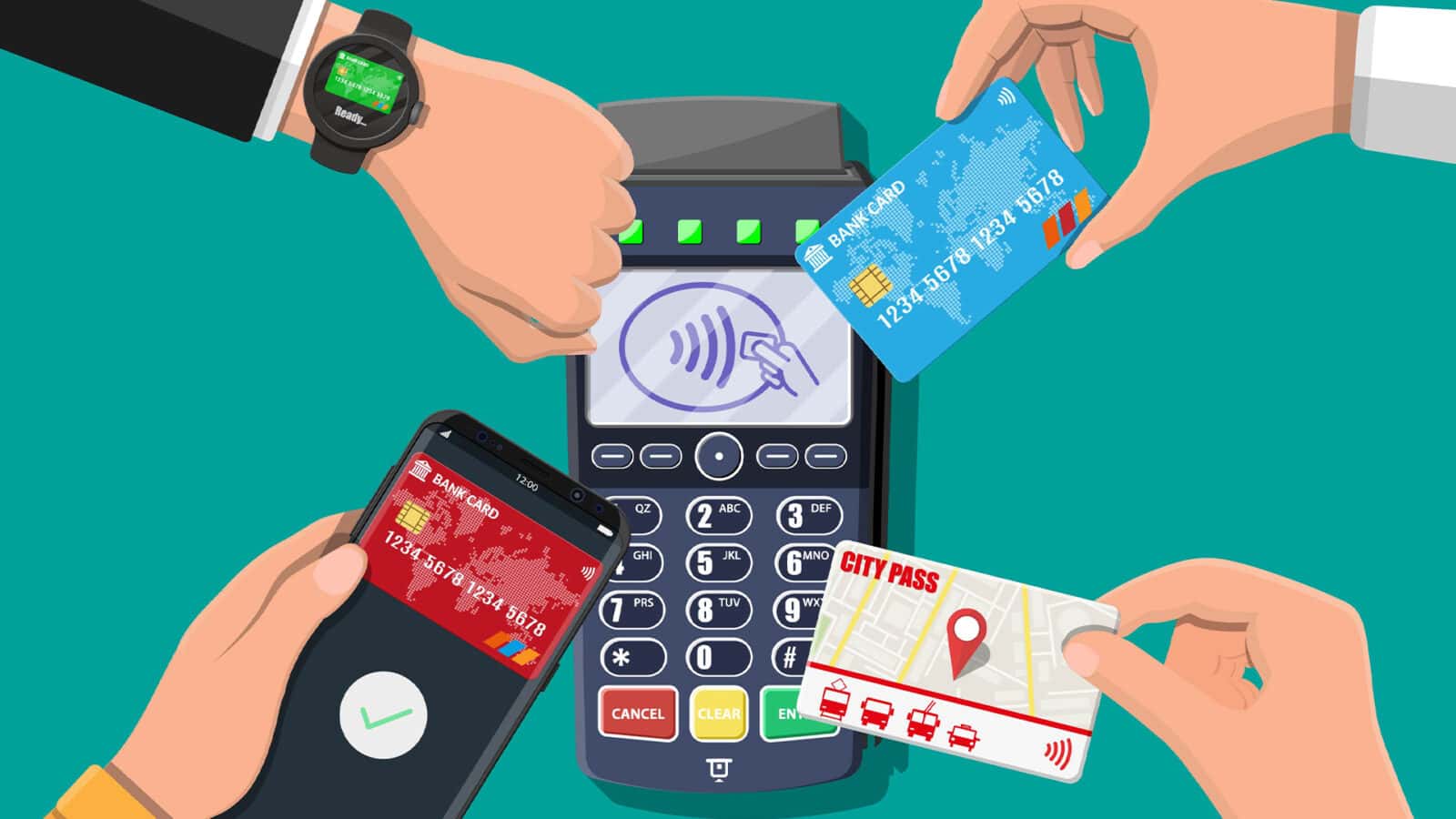
Contactless payment solutions have rapidly become the new safe and easy way to pay for goods and services. In previous years, the use of contactless payments was often seen as an additional convenience, but recent trends have shifted it to necessity.
Contactless payments have become essential, with data showing that nearly 70% of face-to-face card transactions in the US are now contactless, driven by both card issuers and consumer preference.
In the age of technological enhancements, digital transformation and customer experience go hand in hand. That is why adding contactless payments to your business is so important. Here are just a few ways adding contactless payments can benefit your business now and in the future.
What are contactless payments?
Contactless payments are accepted globally by many merchants including retailers, restaurants, pharmacies, grocery stores, and transportation. Processing transactions without contact gives your customers the option of submitting payments without their card or device ever leaving their hand.
The security of these transactions is based on tokenization and dynamic cryptograms (unique, single-use codes), which are generated with every tap. This highly secure method ensures the cardholder’s actual 16-digit card number is never transmitted during the transaction, significantly reducing the risk of fraud. Additional safeguards for contactless transactions are also put in place to prevent your customers from being billed multiple times, should they accidentally tap their card or device more than once.
In the rare event of fraud, transactions processed via tokenized mobile wallets (Apple/Google Pay) generally offer superior fraud liability protection compared to physical card taps, as the tokenization adds an extra layer of security validation.
There are many contactless payment options available, yet the contactless terminal is prevalent. A contactless terminal is a card machine that accepts various types of contactless payments, including credit and debit cards, Apple Pay, Google Pay, and other devices that use near-field communication (NFC) or radio-frequency identification (RFID).
Contactless payments should not be confused with card-not-present transactions. These types of transactions include ecommerce shopping carts, online invoices, automated billing, card-on-file transactions, and more. These transactions occur when card data is entered remotely, separate from a physical terminal.
Can my business use contactless payments solutions?
While the U.S. is still very new to the idea of processing payments without contact compared to the U.K., Australia, and Canada, it’s well on its way. In fact, nearly all major card issuers are now providing contactless-enabled cards to consumers. This growth, accelerated by mobile payments from companies such as Apple and Google, has led to over 90% of all US payment terminals being NFC-ready.
Transitioning your business to accept contactless payments is easier than you may think. In fact, you may already have the capability to accept contactless payments. The technology behind tapping a physical contactless card and a mobile wallet like Apple Pay or Google Pay is based on the same NFC communication standard. Therefore, any NFC-enabled payment terminal can accept both contactless cards and mobile wallets. In other words, if your payment system can accept a tap from a card, it can also accept a tap from a phone.
Trying to determine the right balance for your small business? Adding a contactless payment solution provides your customers with an additional fast, safe, and secure way to pay. Having an online payment option including contactless payments has also been proven to increase sales and improve cash flow.
Contactless payments (especially mobile wallets) are often faster than chip dips. Furthermore, many contactless cards now have higher or no PIN/signature requirement limits than traditional chip-and-PIN, speeding up high-value transactions
How much does it cost to add a contactless payments option to my business
Historically, adding contactless options meant purchasing costly hardware and integrating solutions from multiple vendors. However, modern, all-in-one payment platforms like Stax now combine the necessary NFC-enabled hardware, gateway, and processing services into a single, often more affordable, solution. Yet, in this current climate, the last thing you can afford to do is waste money on features your business may not need or don’t fit well with your business strategy.
When enabling contactless payments into your business model, finding acceptable payment methods for your needs should be the priority one. Now is the perfect time to optimize your business with the right contactless payment solutions. Having all the tools and features your business needs “under one roof” helps eliminate added costs that result from using multiple payment processing providers.
Each business is unique, and it pays to understand exactly what will work best for your business. Adding the Stax all-in-one platform with contactless payment tools is an affordable solution that allows your business to easily adapt to a contact-free environment. Learn more about contactless payments and find out how you can quickly start saving with Stax. We will be happy to answer any questions you have and help you leverage the best contactless payment solutions for your business needs.
Contact Stax today to learn more about how contactless payment solutions can help your business transition to a digital business overnight.


