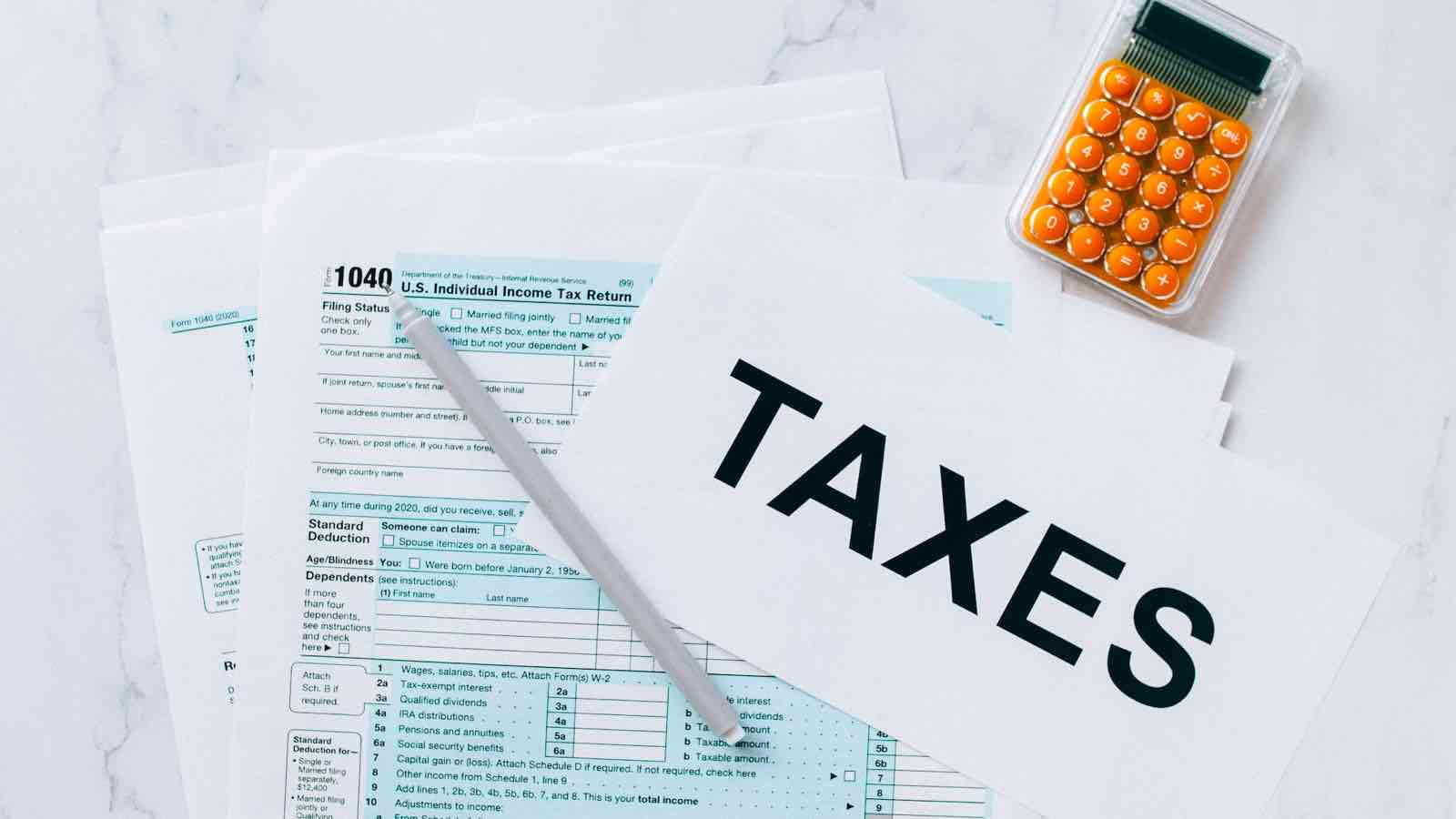
The thought of dealing with tax returns is enough to bring dread into the hearts of any business owner, and understandably so—the IRS hasn’t always made it easy to get started with tax preparation. That said, as a small business owner, you want to make sure that you accurately and promptly file your tax forms and pay your dues. After all, no one wants to be slammed with interest charges, fines, or even jail time for unpaid taxes.
Today, most businesses are eligible to e-file their taxes, which is far quicker and also decreases the likelihood of data-entry error. And since you’re more likely to receive your tax refund more quickly via direct deposit or electronic payment, there’s plenty of benefits of using the IRS’s online services for your small business taxes.
If you’re not sure where to begin with small business taxes or self-employment taxes, we’re here to help. We’ll provide tips on what financial records you need to keep, insight into your potential business structure, how to choose the best online tax software, and more.
But keep in mind, integrated payment processing is the single source for the most critical piece of tax documentation: gross revenue/receipts.
TL;DR
- Before you start with filing forms, one of the first things you should do is determine your business structure.
- Make sure you store all your financial documents to use when filing your taxes, like bank statements, payroll records, and previous tax returns. Then, choose the right tax software and use the appropriate tax form for your business situation.
- Carefully e-file your small business tax returns and make quarterly payments. When in doubt about your tax situation, contact a tax professional or accountant.
Determining your business structure
Before you start with filing forms, one of the first things you should do is determine your business structure. If you’re not sure what business structure you have, we recommend reaching out to an attorney or tax accountant for more information. That said, here are the four most common structures:
- Sole proprietorship: As a sole proprietor, you solely own an unincorporated business.
- Partnership: This entity’s net income and losses are passed through to the owners, who are taxed based on their share of the business’s net income on their personal return (Form 1040).
- Limited liability corporation (LLC): This entity defaults to pass-through taxation (taxed like a sole proprietorship or partnership), but members are generally not held personally liable for the company’s debts/liabilities.
- Corporation: The only entity that pays federal taxes based on net earnings, since it’s seen as separate from its owners. S corporations are a federal tax election (filed via Form 2553) that allows the business’s income to pass through directly to the owners’ personal returns, which avoids double taxation. Note: Limited liability protection is derived from the underlying corporate or LLC structure.
Gathering financial records
As you prepare for tax filing season, it’s important to always store your financial documents to use when filing your taxes. It’s crucial to have integrated payment processing to keep track of your gross revenue and receipts.
While the below isn’t an exhaustive list, here are the main documents you should keep for your taxes. If you’re in doubt about whether to keep it or not, err on the side of caution and keep it.
- Bank statements: Keeping records of your bank statements shows the IRS that you are generating revenue and income. Most banks will provide monthly statements and a year-end report, either physically or digitally—but make sure to download or store them somewhere safe for at least three years. If you use a point-of-sale (POS) system, ensure you retain the digital transaction log provided by your POS and payment platform, which documents all gross receipts. If you work with cash, keep the cash receipt books as well.
- Invoices: Make sure you keep both payable and receivable invoices. There should be a clear description on the invoice, and they need to be kept for no less than three years (the IRS audit window). CPAs often recommend keeping them for seven years for certainty.
- General expenses: Do you work from home and have an office set-up? Travel to clients using your personal vehicle? Did you buy a laptop that you use for your ecommerce store? These expenses are deductible, so keep the receipts when filing your small business income tax return.
- Payroll records: If you have employees working for you, you should have payroll records of them, which will include important info like their paychecks, timecards, PTO, and much more. Federal law requires payroll records be retained for at least three years. For tax records relating to unemployment taxes or social security, it’s four.
- Tax returns: If you work with a tax expert, they’ll probably want to check your returns from the previous year. Plus, the IRS could request them if audited, so make sure to keep them for no less than three years.
Remember, for all these records, it’s best to store them digitally—not just on your computer, but somewhere in the cloud. That way, they can always be accessed no matter what.
Choosing the right online tax software
With a plethora of popular tax software packages out there, it can feel almost as difficult as doing your taxes to find the right software that streamlines doing taxes with electronic filing.
Some tax solutions integrate seamlessly with Stax, allowing you to securely auto-sync transaction data across platforms. This continuous, accurate flow of data saves significant time on quarterly reconciliation and makes final tax filing much easier.
Note that if you have a complicated tax return or it’s your first year filing as a business owner, it’s best to pay a tax professional for your first tax year. Afterward, you can consider doing it yourself. And if you’re unsure of what to look for in a tax software provider, see to it that they’re upfront with their pricing (tiers), have ample support options so you can contact them with any questions, and cover your specific tax situation.
What you need to know about business tax forms
With literally dozens of tax forms you can use as a small business owner (with different due dates), it’s no wonder that you might be stressed with figuring out which forms you should fill. Here are the top five forms you should be aware of, depending on your business activities and deductions.
- Form 1040: Virtually all U.S. taxpayers must file Form 1040. Use Schedule-C to provide more information on your business income if you’re a sole business owner. The deadline is typically April 15th.
- Form 1065: Use this form if you’ve filed a partnership or a multi-member LLC treated as a partnership. The deadline is March 15.
- Form 1120: Use the U.S. Corporation Income Tax Return to report on your corporate income or losses if you’re a regular corporation. For calendar year filers, the due date is typically April 15th.
- Form 1120S: If you’re an S corporation, use this form, due on the 15th day of the 3rd month after the tax year ends. For calendar year filers, the due date is typically March 15th.
If you have a more complicated business structure, it’s best to confirm with a tax professional on which form you should fill. The same applies if you’re unsure about tax deductions you could maximize or credits you could be eligible for (like energy efficiency or R&D). And always make sure to keep the due date in mind!
Filling out and paying your small business taxes
When filing your tax forms, have all supporting documentation on hand, and make sure to carefully follow each step and provide the most accurate information possible. Take your time, and always make sure to double-check your entries to prevent any potentially costly mistakes.
Instead of doing it in one go, give yourself at least two sittings to fill out your taxes, and always check them with a fresh pair of eyes. Then, you can e-file your taxes, and you’re good to go!
Don’t forget to stay abreast of your small business tax payments, which you can pay directly on the IRS website or with the IRS2Go app. Generally, you’re expected to make payments on your estimated taxes after the end of each quarter, based on the income expected to earn that year. If you overpay, you’ll be refunded—which is why e-filing is a great way to ensure you get your money back faster!
Wrapping up
Yes, dealing with small business taxes can be daunting, but by proactively managing all aspects of your business, you’ll make the process of filing your taxes so much easier. Stax’s all-in-one payment processing platform ensures your entire revenue stream—every card, ACH, and invoice payment—is categorized, tracked, and automatically synchronized with your accounting software. This guarantees the accurate, audit-ready data required for tax filing.
Contact our payment experts to learn how you can ensure your small business thrives.
Quick FAQs about how to file business taxes online
Q: What are the main benefits of filing business taxes online?
Filing business taxes online offers several advantages, including faster processing times, reduced likelihood of data-entry errors, quicker refunds via direct deposit, and the convenience of managing tax responsibilities online.
Q: How do I determine the business structure for tax purposes?
Determining your business structure is crucial as it impacts your tax obligations. Common structures include sole proprietorships, partnerships, LLCs, and corporations. Consulting with a tax professional or attorney can help clarify your specific situation.
Q: What financial records should I keep for filing business taxes?
Essential financial records include bank statements, invoices, general expenses, payroll records, and previous tax returns. It’s advisable to store these documents digitally in secure cloud storage for easy access and safekeeping.
Q: How do I choose the right online tax software for my business?
When selecting online tax software, consider factors like pricing transparency, available support options, and compatibility with your business structure. Popular options include TurboTax, QuickBooks, Cash App Taxes, and H&R Block.
Q: What are the key business tax forms I need to be aware of?
Important forms include Form 1040 for all taxpayers, Form 1065 for partnerships, Form 1120 for corporations, and Form 1120S for S corporations. Each form has specific due dates and filing requirements.
Q: How can I ensure accuracy when filing my business taxes?
To ensure accuracy, gather all supporting documentation, double-check entries, and consider breaking the process into multiple sittings. Consulting a tax professional for complex returns is also recommended.
Q: What payment options are available for business tax payments?
Business tax payments can be made directly on the IRS website or through the IRS2Go app. Quarterly estimated tax payments are typically required based on projected annual income.
Q: Are there any free options for filing business taxes online?
Some IRS partner companies offer free online filing services for eligible businesses. Always verify the free service eligibility criteria and ensure it meets your business’s needs.
Q: What should I do if I’m unsure about tax deductions or credits?
If uncertain about available tax deductions or credits, such as those for energy efficiency or research and development, consulting with a tax professional can maximize your potential savings.
Q: How long should I retain my business tax records?
Retain your business tax records for at least three to seven years, depending on the document type, to comply with IRS requirements and be prepared for potential audits.


